
Breaking the Male Glass Ceiling
Mafia Queens of MumbaiExplores the book's central theme of women entering and dominating the impossible masculine world of the Mumbai underworld.
increasing Bearing strength in each event
 decreasing
Bearing strength in each eventdecreasingVishal Bhardwaj's Foreword Toast

Vishal Bhardwaj's Foreword Toast
What Happens
In the foreword, Vishal Bhardwaj celebrates female protagonists and asks 'Mumbai ki queen kaun?'. He frames the book as a journey into women who broke through the glass ceiling of brutal masculinity.
Why It Matters
The foreword sets the thematic frame for the whole book. It tells readers to look for power in women who ruled, schemed and survived in the underworld.
Jenabai Conducts the Dons

Jenabai Conducts the Dons
What Happens
The only woman in a room of armed gangsters, Jenabai controls the peace meeting with a Koran and a stare. Mastan, Dawood and the Pathans obey her choreography.
Why It Matters
The scene is the purest image of female authority over the masculine underworld. It reverses the usual gender hierarchy without any violence.
Gangubai Rules Kamathipura
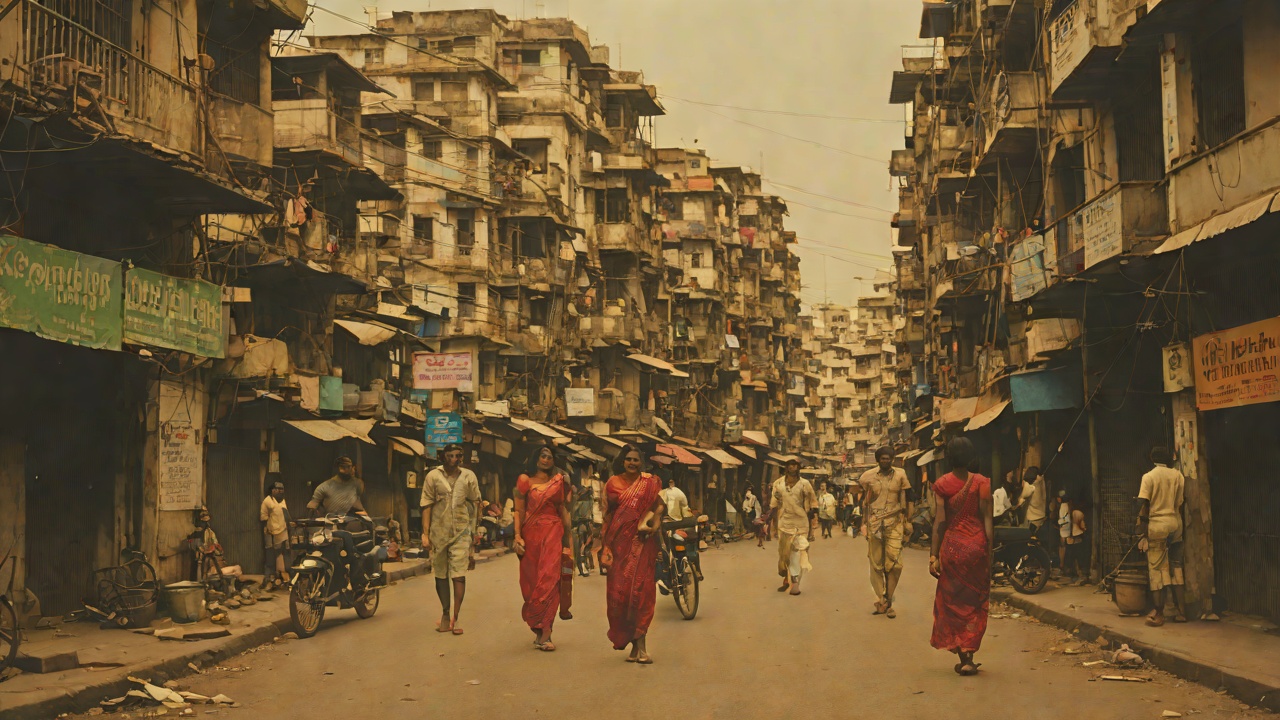
Gangubai Rules Kamathipura
What Happens
Gangubai controls brothels, sex workers and local elections, meets the prime minister, and fights state eviction. She is feared by men and worshipped as Ganguma by women.
Why It Matters
Her reign proves that a woman can be both oppressor and protector, capitalist and matriarch. She cracks the ceiling from inside the most despised profession.
Wives Become CEOs of Crime

Wives Become CEOs of Crime
What Happens
As police hunt male dons, Asha Gawli, Sujata Nikhalje, Neeta Naik and Padma Poojary take over logistics, politics, finance and even strategic planning. They run gangs from kitchens, municipal offices and real estate firms.
Why It Matters
The power shift catches law enforcement off guard. It proves that the underworld can reproduce itself through the most unnoticed female domestic roles.
Sapna Stands Against Dawood

Sapna Stands Against Dawood
What Happens
A young widow trains with a gunman, renames herself Sapna, and attacks Dawood's businesses through tipping, heists and an assassination plan. She is murdered for her audacity.
Why It Matters
Sapna is the most explicit example of a woman wielding real violence against the mafia's king. Her death becomes a sacrifice that underscores the theme of female courage.
at the opening of the book, 2011
July 1980, at Baitul Suroor
the 1960s and 1970s
the mid-1990s onwards
1986 to 1994
